WhenFinal Fantasy 7 Remakewas revealed, fans of the classic JRPG had high hopes that it would live up to the expectations set by the original game. Many wondered how Square Enix would tackle remaking the long, multi-disc epic story that the original Playstation release was known for. The answer was to split theFinal Fantasy 7 Remakeinto three different parts. Fans worried that splitting the game into three distinct releases would cause large gaps in time between releases, a high asking price in purchasing three full-priced games, and inaccessibility due to releases across multiple console generations. Unfortunately, with the announcement of the second part,Final Fantasy 7 Rebirth,it seems those concerns have been validated.
As a now 25-year-old game, it is very possible that a large portion of theaudience forFinal Fantasy 7 Remakehave never played the original. Playing the original is not a requirement for enjoying the first part of the remake as the story has been remixed to add more depth to characters and better pacing. But to expect new players to receive a piecemeal game—that is supposed to be a remake of a game from 1997—while enduring all the apparent obstacles to fully play the trilogy is a bit presumptuous of Square Enix and will likely turn off new players who are intimidated by this release structure. Although the first part ofFinal Fantasy 7 Remakewas well regarded, the fractured releases are disappointing for fans excited to play a fully remade game.

RELATED:Every Square Enix Game in Development
Square Enix’s Long Development Cycles Hinder the Momentum of the Remake
As longtime fans of Square Enix titles have become accustomed to, the developer struggles with long development times for its larger projects.Final Fantasy,Kingdom Hearts, andDragon Questfans know the need for patience when anticipating a new game all too well.Final Fantasy 7 Remakewas first announcedto be in development during Sony’s E3 press conference in 2015. The first part would not see a release until 5 years later in April 2020 with the second part announced to be in development in 2022 with a projected release date of 2023 or 2024.
With roughly 5 years in between titles, fans will have to wait a long time to see the resolution of a plot that will be nearly 30 years old by the time theFinal Fantasy 7 Remaketrilogy is completed. It’s to be expected that a game of this magnitude would take some time to complete. However, in an industry that is constantly shifting its technological capabilities, taking 10 years to complete one story arc changes the impact of the game. Unless a player is already a fan of the original game and knows the story beats, releases splintered across nearly a decade will detract from the pacing of the original narrative.
Purchasing the Full Remake Trilogy Gets Expensive Fast
Buying three full-priced games can be expensive for many, especially the more casual fans who may not have the same budget as hardcore fans of the series. With the trending price increase towards $70 USD for MSRP, brand-new AAA games are getting more expensive. The steep asking price for three games compounds theaccessibility issues theFinal Fantasy 7 Remakeseries is already facing by isolating players who might not be able to afford it from experiencing the complete narrative. Games do usually go on sale months to years after release, but that only widens the time gap some players will have between portions of the story.
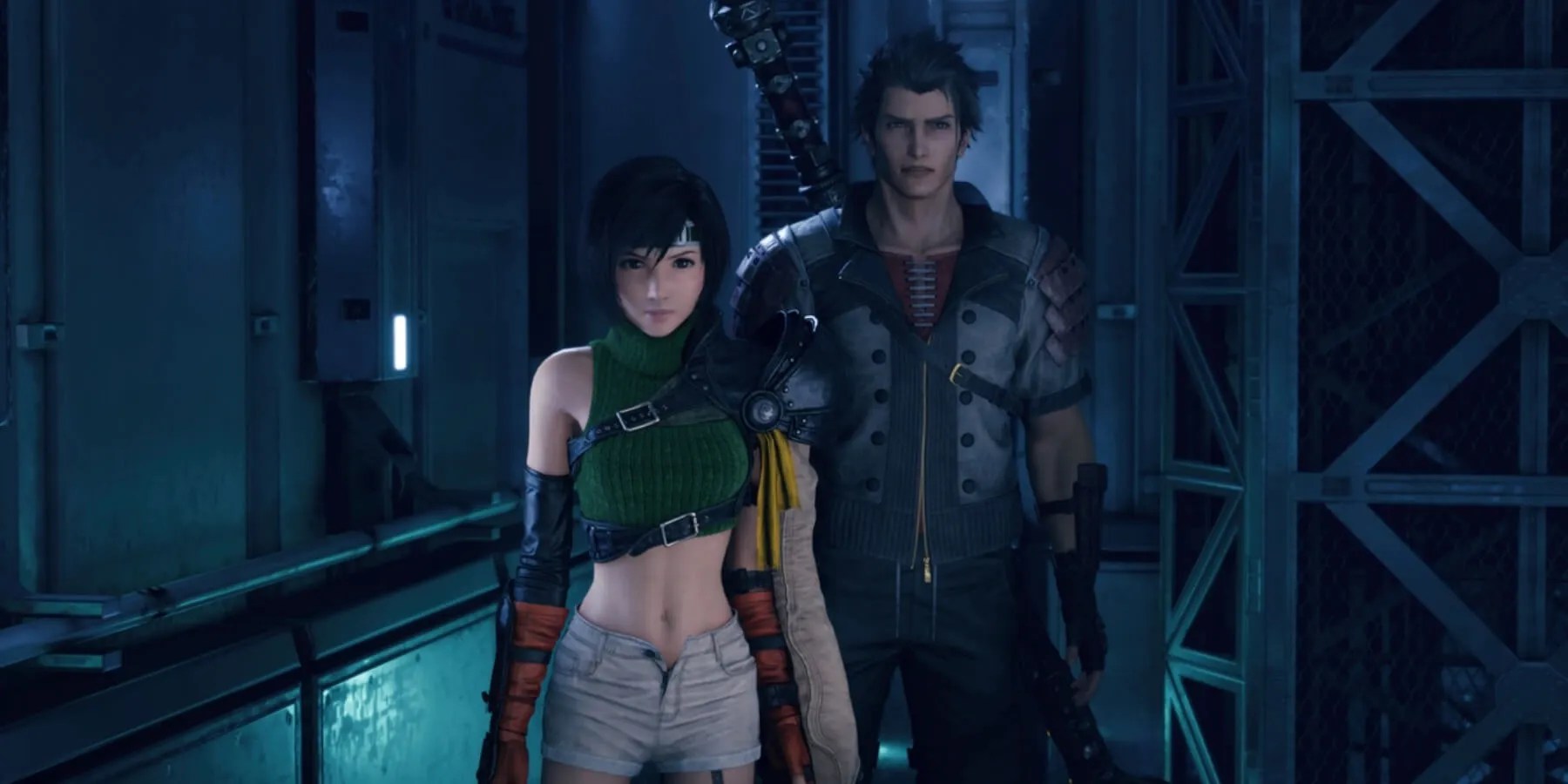
The addition of DLC is another hit to the wallets of players wanting to experience the entirety ofFinal Fantasy 7 Remake. As a part ofFinal Fantasy 7 Remake Intergradefor the PS5, Square Enix released thestandalone Episode INTERmission DLCfor owners of the base game purchase.

Now owners of the game on PS4 had to shell out another $20 to access additional story content and gameplay featuringYuffie and Sononif they wanted to get caught up with the complete experience thus far. If the other parts of the remake trilogy also include story DLC, that will only drive up the total cost of the complete experience and further splinter the player base.
RELATED:How Final Fantasy 7 Rebirth Should Handle the Gold Saucer
Releasing the Remake Trilogy Across Multiple Console Generations is the Greatest Barrier to Accessibility
Well into the second year of the PS5’s lifespan, many are still having trouble getting their hands on the elusive console. This shortage is diminishing the player base for console-exclusive games, and—whileFinal Fantasy 7 Remakeis available on both PS4 and PS5—if next year does in fact see the launch ofFinal Fantasy 7 Rebirththen playersleft without access to a PS5might not be able to play it.
The trouble with the speed with which console generations come and go lies in the ability for developers to keep their existing series releasing at a pace that matches the console generations. Even if a player is able toget a PS5, that’s still another large sum of money to pay in order to access the completeFinal Fantasy 7 Remakestory. By the time the third and final part of the remake releases, the industry may have already moved onto the next console generation. Having to buy three separate consoles to play three separate episodes of a remake of one game from 1997 starts to seem a bit ludicrous when taking all of these costs into consideration.
Hopefully by that point Square Enix will release an “all-in-one"complete package for theFinal Fantasy 7 Remaketrilogy, solving the accessibility issue years down the line after the trilogy is completed.Final Fantasy 7is a game that deserves a thoughtfully-crafted remake and whatever amount of time it takes to make that happen is acceptable. However, the current splintered release strategy only serves to isolate players and diminishes the overall product more so than waiting to release a fully completed remake.
Final Fantasy 7 Remakeis available now for PC, PS4, and PS5.
MORE:Comparing Final Fantasy 7 Remake’s Tifa to Her Kingdom Hearts Version
