Summary
One of the reasons open-world games are so popular is because they often give the player an unparalleled sense of freedom. Fans are free to go where they want and do what they want on their own time.
Some of thebest open-world games of all timeempower the player to make important decisions via their branching storylines. Sometimes, the results are fairly minor, but often these decisions shape the entire game world. Creating a good branching storyline isn’t easy - it takes a lot of coding and writing skills to pull off. When developers manage it, though, the result is an amazing gaming experience.

Assassin’s Creed Odysseyis easily one of thebest Ubisoft games ever. It has a massive open world and a great combat system. However, it has its fair share of problems too. Ubisoft claimed before launch that the game would have its first attempt at a branching storyline in anAssassin’s Creedgame. Sadly, it came out half-baked.
To be fair, players are encouraged to make decisions throughout the game (mostly boiling down to who to side with and whether to kill certain characters or not), but they lack weight. There are nine different endings in total, but they’re all largely the same, with minor differences. It was a nice attempt, but the fact thatAssassin’s Creed’s premise revolves around the idea of genetic memory means the branching was always going to be limited.

PlayingKingdom Come: Deliverancefeels like aninteractive Medieval history lesson(which is meant as a compliment). Set in an immersive medieval open-world, the game is a first-person RPG where half the struggle is just making sure protagonist Henry survives from one day to the next.
Players are forced to make decisions constantly, and many quests have hidden timers, making them easily failable. This means just deciding to do a quick bit of shopping rather than starting the next quest could lead to a new branch opening up. Unfortunately, the game only has one ending, somewhat lessening the impact of all these decisions. It’s a choose-your-own story game, but players don’t get to choose the ending.

Skyrimis a massive game. While its main questline isn’t the best, it’s no secret that the game has some of thebest side quests in any RPG. Most of these have their own storylines that branch off in different directions depending on the player’s choices. It’s all very impressive. At least it should be. These decisions are fun to make in the moment, and it feels like the story is branching off somewhere interesting.
But it rarely comes together to make meaningful changes in the world of Skyrim. The Dark Brotherhood questline is a prime example. Players can choose whether to join them or wipe them out, with either decision branching off. Join the Brotherhood, and, ultimately, players will be tasked with killing Emperor Titus Mede II. However, after the deed is done, few mention it again. It feels like the most powerful person in the world being murdered might come up in conversation once in a while, especially if the player character was the one who killed them.

Being a fellow Bethesda game,Fallout 4shares a lot of its structure withSkyrim. It, too, has a slightly lackluster but branching main questline supported by a host of brilliant side quests (which also branch off). Plus, it has four main factions to choose from, each with its own branching storyline.
That’s a lot of branches. Sadly, it’s all held back by one storytelling decision. Towards the end of their stories, each faction demands the Lone Survivor wipe out the other factions - essentially taking a Ripper to those branches. All the quests and all the decisions eventually boil down to picking a side and killing everyone else.

The second players boot up a new game inDragon Age: Inquisitionits story starts branching. The first two games in the series had massive, branching storylines.Inquisitiontasks players with creating a “world state” that incorporates many decisions they might have made in previous games.
This world state has a major impact on the game’s story, which then branches off in new directions with each decision the player makes. This all culminates in a game with a massive 40 endings (even if some of them are fairly similar). The only things holdingInquisitionback from a higher ranking are that it’s arguably all too big and that it’s only a “semi” open-world.Inquisitionhas lots of choices to make and content to get through, so much so that many players lose interest before seeing where their decisions culminate.
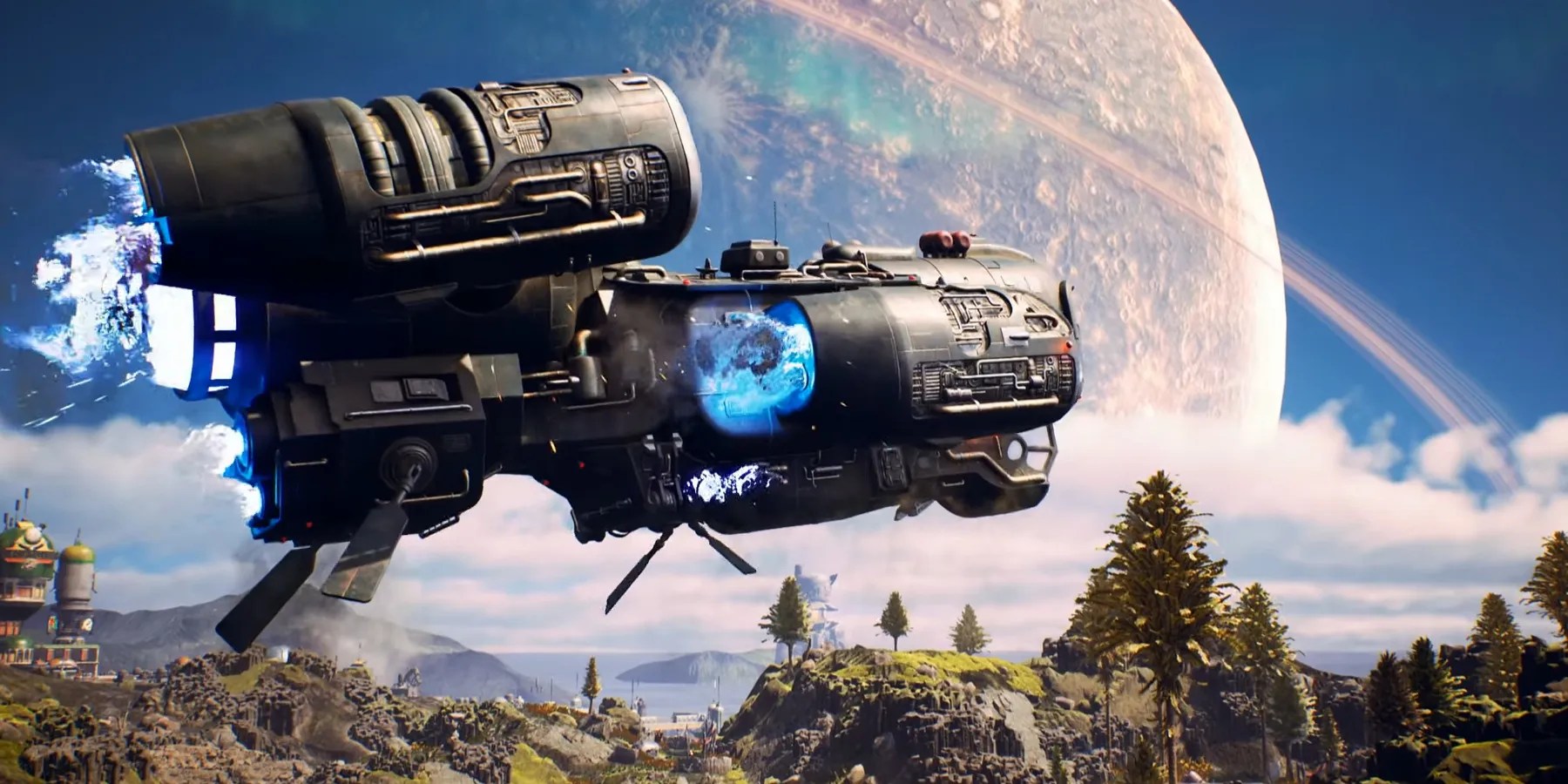
The Outer Worldswas produced by Obsidian, the same people who createdFallout: New Vegas. That’s a pretty serious pedigree, but thankfully, the game didn’t disappoint. It featured the same kind of storytelling that madeNew Vegassuch a hit.
The Outer Worldsis abrilliant sandbox sci-fi gamefull of decisions that can take its story in myriad directions. The main storyonlyhas three endings, but there are multiple paths to reaching each one (especially if one throws in the DLCs). If it were truly open-world, rather than semi, it would be right up there with its older sibling.

It’s no secret that, before launch, CD Projekt Red oversold whatCyberpunk 2077was going to be. One of their biggest embellishments was the scale of the game’s branching storyline (lifepaths being a prime example). That being said, the storyline they did deliver was still plenty exciting.
IncludingPhantom Liberty,Cyberpunk 2077has six endings, most of which are very different from each other. Players get to each one by following a branching storyline full of twists and turns.Cyberpunk 2077has one of the best branching stories in gaming,butthere’s one thing holding it back. It’s hard to forget those pre-launch promises and the game still feels haunted by story elements and branches that were cut in the race to launch.

Thebest CRPGsare famed for having massive, branching storylines based on hundreds of decisions made by the player.Baldur’s Gate 3andDivinity Original Sin 2are two great modern examples of this. Trying to combine this storytelling freedom with an open world, however, is an incredibly difficult task.
Some may argue thatPillars of Eternity 2: Deadfireisn’t a true open-world game, as each location has to be loaded into from a world map. But unlike most CRPGs, all of Deadfire’s locations are open from the get-go, not gated behind acts likeBaldur’s Gate 3. The game is one of Obsidian’s best, with an impressive branching main storyline and a massive open world to explore with countless branching side quests to find (many of which play into the main story).

For many gamers,Fallout: New Vegashas long been the gold standard when it comes to creating a great branching storyline.New Vegasis stuffed full of side quests, companion quests, and main story missions, all of which task the player with making important decisions. Each decision made threatens to send the main story off down a new branch. This is all backed up by some of thebest open-world environmental storytellingever seen in gaming.
So why isn’t it in the top spot?New Vegassuffered from an infamously rushed development cycle, and it shows. It’s amazing what Obsidian managed within a year, but in many ways, the game feels unfinished. Too many branches inNew Vegasfeel cut short, with quests that seem rushed or finish early.

Similar toDragon Age: Inquisition,The Witcher 3’s story starts branching as soon as players start a new game. By either using a save from a previous game or making decisions from a menu, fans can shape the game’s world from the get-go. Rather than merely cosmetic, these steps have direct consequences for the rest of the game’s story - some small, some massive (even cutting out whole quest lines).
The game also pulls off the impressive feat of making its side quests (many of them branching) feel connected to its main story. A seemingly small decision in a side quest can have huge repercussions. Even after nearly ten years,The Witcher 3remains the gold standard for branching storylines.
