The superhero team-up project is almost as old as the concept of superheroes themselves. Some heroes come as a package deal, others only roll solo, but some represent important themes and concepts that don’t make the transition when they join the big hero teams.
Marvel’sMoon Knightis on its way, and it’s shaping up to be one of the most intense and psychologically charged pieces of the larger MCU narrative. Its clear focus on mental health follows other meditations on subjects like race and patriotisminThe Falcon and the Winter Soldieror grief inWandaVision.

RELATED:Martin Freeman To Reprise His Black Panther Role In Secret Invasion
Almost fourteen years into the MCU phenomenon, there’s no reason to feign ignorance. Everyone knows that every hero introduced, mentioned, or depicted in a Marvel or DC property is more than likely to wind upadded to a team-updown the line. Moon Knight may not join the Avengers, but the franchise will make up a group he can join. Fans love the team-up vehicle, and the franchise loves letting their marketable characters interact in every conceivable permutation. While these have been fun, there’s always a risk to reincorporating beloved characters from a great work into a larger team-up vehicle. Any character with a deeper meaning, a central theme, or a unique aspect to their writing will not be preserved when they’re introduced to the resident superhero team.
Look to the Guardians of the Galaxy, a group of characters who were only broughtto the screen by James Gunn. When the time came to introduce the group into the Avengers film series, some substantial changes had been made. Elements of certain characters are still despised years later, others are simply written out by the end of the film. The centralized elements of the Guardians in their original films are downplayed, if not completely ignored in their appearances elsewhere. This problem will pale in comparison to translating a character like Moon Knight or, in perhaps the most interesting case, Scarlet Witch.
Wanda Maximoff was introduced in a team-up vehicle, as a minor antagonist ofAge of Ultron. Shereappeared inCivil War, but six years passed before the character was given her own solo project. Wanda’s journey beforeWandaVisionand her journey immediately after it could not be more different. It’s the most significant moment of character change or growth in the character’s on-screen existence. She’s set to return to the big screen inMultiverse of Madnesslater this year, and the trailers have had some interesting responses. Her big line from the trailer involves her decrying the fact that she’s seen as the villain. To paraphrase basically every social media user who saw that clip; she enslaved an entire town, she is the villain. However Sam Raimi and company intend to portray Wanda, it’s safe to say she won’t be the fragile yet omnipotent grieving god thatshe was inWandaVision. The question is, does her later appearance cheapen her appearance in her solo project?
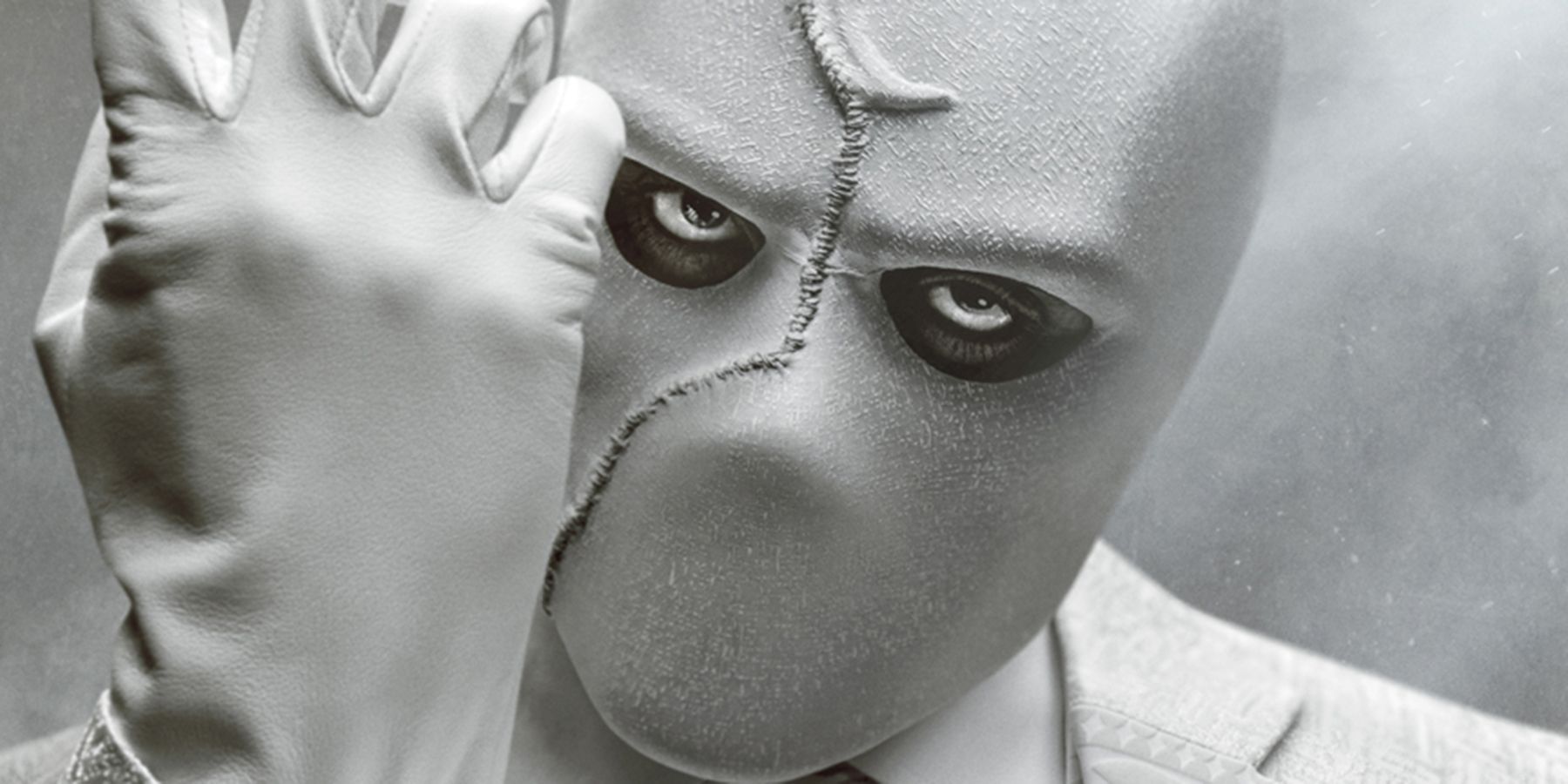
Moon Knight is a characterwho has always been defined as “crazy”, but the upcoming limited series seems to intend to depict him with a much more tasteful portrayal. He suffers from a dissociative identity disorder that results in numerous identities occupying the same body. The depiction seems to trend closer to psychological horror than superhero action. The series seems set to be one of the most serious projects in the MCU, at least since the Netflix Marvel series wrapped.Moon Knightmight be an excellent psychodrama, it might be the most intricately crafted and elegantly presented piece of the MCU, but it will still be in the MCU. When Moon Knight joins the Avengers, or the Marvel Knights,or the Defenders orwhoever, it’ll be a tough ask to maintain that level of presentation in an ensemble project. The central themes of the character, just like the intricacies of Wanda’s, will be left behind and fans may be left with an incomplete version of their favorite character.
Team-up vehicles are fun, but some characters could be lost in the translation. Maybe some characters should only exist in their own universe. Maybe some cinematic takes on a character should only be crafted by their creator. It’s hard to know what the most elegant solution would be because this will continue to be a problem. Fans of complex and intriguing characters won’t want to see those characters bent and broken to better fit a different story. Are they getting what they came for if the characters are pale imitations of what they loved? Some might be able to accept that the big super-team vehicles are different experiences than the solo projects, but that’s against the entire pitch of the MCU.The MCU experiment claimsto be able to interweave multiple film series into a single unified universe, but if they lose what makes their individuals special, have they really succeeded?
MORE:First Ms. Marvel Trailer Introduces Iman Vellani’s Kamala Khan To The MCU
